The allure of risk and reward
Casinos are built upon the fundamental principle of risk and reward, an aspect deeply rooted in human psychology. The thrill of taking risks for potential gains elicits a powerful response in the human brain. This phenomenon is often linked to the release of dopamine, a neurotransmitter associated with pleasure and reward. When players engage in gambling activities, they may enjoy various games or explore options like pokies online , experiencing moments of excitement and anticipation that can lead to repeated behaviors, as they strive for that elusive jackpot. This cycle reinforces their participation in gambling, as each minor win feels like a triumph and encourages further risk-taking.
Moreover, casinos expertly design their environments to amplify this psychological effect. The layout of a casino is often labyrinthine, with no clear exits and games positioned to entice gamblers to try just one more round. The sounds of slot machines and the whirring of roulette wheels create an auditory backdrop that heightens the sense of excitement. By immersing players in this sensory-rich environment, casinos can create an atmosphere where the allure of risk becomes almost irresistible, drawing people in for extended periods.
The concept of loss aversion, where individuals prefer to avoid losses rather than acquiring equivalent gains, also plays a crucial role in casino behaviors. Players often chase their losses, believing they can recoup what they have lost with just a few more spins or hands. This emotional connection to the game can lead to a cycle of continuous play that exploits this foundational trait of human psychology. Understanding these motivations allows casinos to refine their practices and enhance their profitability.
The role of social interaction
Humans are inherently social creatures, and casinos tap into this need for social interaction to enhance the gaming experience. Many casino games, such as poker and blackjack, involve not just individual play but also social dynamics among players and dealers. The presence of other people can intensify the excitement, as players share victories, commiserate over losses, and engage in banter. This communal atmosphere fosters a sense of belonging that makes the experience more enjoyable and memorable. The social aspect of gambling is a powerful motivator that can encourage individuals to return to the casino.
Additionally, casinos often host events and tournaments that further promote social interaction among patrons. By organizing competitions, casinos create opportunities for players to connect and engage with one another while pursuing a common goal. These events are not only entertaining but also create an inclusive environment that keeps customers coming back, fostering loyalty and community around the brand. This social engagement serves as a significant draw, making the casino not just a venue for gambling but also a social hub.

The use of loyalty programs is another way casinos leverage social interaction. By offering rewards for frequent visitors, casinos create a sense of exclusivity and recognition that enhances social ties. Players appreciate being part of a community and feel valued; this connection can result in increased spending and prolonged visits. Thus, the social dimensions of gambling are not merely ancillary but are central to the business model of modern casinos.
The power of the environment
The architectural design and ambiance of a casino are meticulously crafted to influence behavior and decision-making. Factors such as lighting, color schemes, and sound levels are all strategically planned to create an inviting yet exhilarating atmosphere. Bright, flashing lights and vibrant colors draw attention and stimulate excitement, while more subdued areas allow for quieter, intimate gaming experiences. This carefully curated environment keeps players engaged and encourages them to stay longer, increasing their chances of spending more money.
Casinos often employ the concept of “loss of track of time” to keep players immersed in their environments. By minimizing windows and using artificial lighting, players often lose their sense of time and may not realize how long they have been gambling. This disorientation makes it easier for casinos to keep players engaged in gameplay, as they can spend hours without the natural cues that would typically signal a need to leave. By controlling the environment, casinos can maximize the time players dedicate to the games, thereby boosting revenue.
The strategic layout of games is also significant in maintaining player interest. By positioning high-stakes games near entrances or popular areas, casinos can attract players’ attention immediately. The arrangement of machines and tables is designed to encourage foot traffic and impulse plays, leading players to spontaneously participate in games they may not have initially intended to play. This manipulation of space and movement heightens the overall experience and keeps customers engaged longer.
The impact of cognitive biases
Cognitive biases are systematic patterns of deviation from norm or rationality in judgment and decision-making, which play a crucial role in gambling behavior. One of the most relevant biases in this context is the “gambler’s fallacy,” the belief that past events can influence future outcomes in random events. For instance, a player may think that after a series of losses, they are “due” for a win, prompting them to wager more aggressively. Casinos capitalize on these biases, knowing they can lead players to make irrational choices that benefit the house.
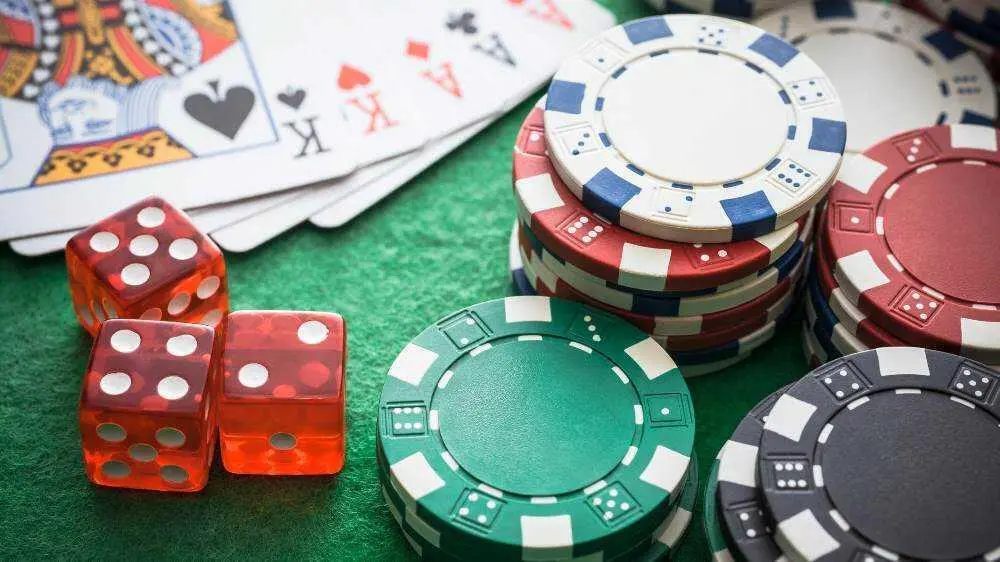
Another significant cognitive bias is the “illusion of control,” where individuals believe they can influence the outcome of inherently random events. This belief often leads players to engage in behaviors such as selecting specific numbers or using superstitions to try to sway the odds in their favor. Casinos are aware of this tendency and often encourage it through game design, where player choices are perceived as impactful. This sense of agency can be intoxicating and keeps players invested in the game.
Furthermore, the “hot-hand fallacy,” the belief that past successful outcomes will continue, causes players to chase wins and engage in riskier behavior. Casino operators reinforce this idea by marketing and highlighting winning streaks, making it seem as though they are commonplace. By understanding and employing these cognitive biases, casinos can enhance gameplay experiences, influencing player behavior to their advantage and ensuring a steady stream of revenue.
Understanding casinos from a psychological perspective
To thrive in the competitive world of gaming, it is essential for casinos to understand the psychological drivers that influence player behavior. Psychological research provides invaluable insights into the motivations and tendencies of gamblers, allowing casino operators to craft experiences that resonate with their clientele. By leveraging findings from behavioral psychology, casinos can design games, environments, and promotional strategies that align with human instincts, desires, and emotional responses.
As we move further into the digital age, online casinos are also employing these psychological principles to create engaging virtual environments. By mimicking physical casinos and using gamification techniques, online platforms can evoke the same feelings of excitement and anticipation found in traditional establishments. The transition to online gaming has made it necessary for operators to adapt their strategies, ensuring that the psychological aspects of gambling remain a key focus in their design, marketing, and user experience.
Ultimately, understanding human psychology is not just an academic exercise for casinos; it’s a foundational aspect of their business sustainability. By appreciating how players think, feel, and behave, casinos can develop strategies that not only attract but also retain customers. This deep understanding of human psychology and behavior allows casinos to optimize their offerings and maximize profitability while providing an engaging and entertaining experience for their patrons.